
Why Brands Need to Move Away from 30 Second Break Spots
 By Tushaar Garg, Founder & CEO, StreamO · 6 min read
In 2008, I was part of the team building the IPL. Back then, the most valuable real estate in Indian sport was the break. A year later the league added the strategic timeout, originally a 7.5 minute pause for each side and every big brand in the country wanted a slot in it. The logic was simple. The whole nation was watching one screen at the same moment and the break was the only door into that room.
That door still exists, and it has never been more expensive. For IPL 2026, a 10-second spot on live TV started at ₹18 lakh, rising to ₹50 lakh for the final. At that rate, a single 30-second spot in the final costs ₹1.5 crore.
But this expensive asset no longer captures the audience brands most want. Even during the IPL, the TV is rarely the only screen in the room. Research commissioned by Google found that nearly 90% of fans use their smartphones during live sports and Hansa Research's IPLomania study found that only 19% of IPL viewers now watch exclusively on TV, down from nearly 27% in earlier seasons. When the break arrives, the younger viewer isn't watching your ad. They're messaging friends, sharing a meme or checking a clip.
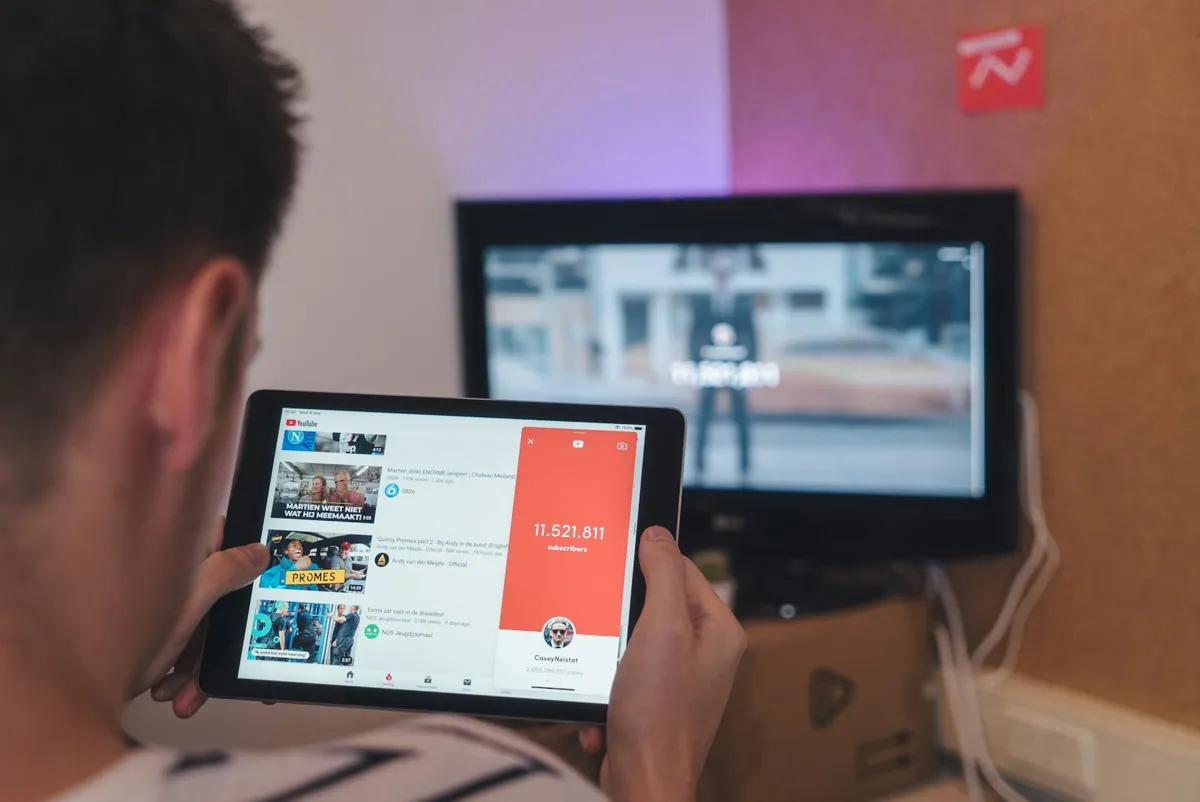
And cricket is only a few weeks of the year. For the other 300-odd days, young India's attention is spread across phones, streams, games and chats, often several at once.
Why the 30 second spot worked
The spot was built for three conditions:
Scarce screens. One TV per home, one channel at a time. If the match paused, you watched the ad or you walked to the fridge to refill your snacks.
Appointment viewing. Everyone watched at the same time, so a brand could buy a national moment.
One way media. The audience could not reply, skip or scroll. A message only had to be loud and repeated.
If the match paused, you watched the ad or you walked to the fridge to refill your snacks.

None of these conditions holds for anyone under 25 today.
What changed, in numbers
The money has already moved. Digital took 55% of India's ad spend in 2024 while TV advertising revenue fell 6% and India lost 6 million pay TV homes. By 2025 digital advertising reached ₹947 billion, about two-thirds of all ad revenue, up 26% in a year (FICCI-EY 2026).
The screen is personal. YouTube Shorts alone has over 650 million monthly logged-in viewers in India. Each of them is watching something different, at a different time.
Gen Z's hours go to play, streams and audio. India's Gen Z is 1.7 times more likely than other generations to spend ~six hours a day gaming, streaming and listening to audio (GWI).
The real problem: there is no break to buy
A livestream has no commercial break. A game has no strategic timeout. When content is continuous, an ad that stops it does not feel like a break; it feels like an interruption. Interruptions get skipped, blocked or resented. This is the shift most media plans have not caught up with. Brands still buy around content. Gen Z rewards brands that show up inside it.
For a generation that never takes a break, the brands that win will be the ones that never ask for one.
From commercial break to community participation
At StreamO we call the alternative live attention: the brand becomes part of the hangout instead of the pause before it. In practice that means:
| The Break Model | The Attention Model |
|---|---|
| Stops the content | Lives inside the content |
| 30 seconds and gone | Present across the 3hour livestream at the right moments |
| Voice-over speaks to the viewer | A creator the viewer trusts talks about the brand |
| No way to respond | Viewers react in chat, scan a QR code, click a link |
| Measured by reach | Measured by attention and action |
What this means for your next media plan
Audit where your audience's hours actually go. If your target is under 25, check how much of your plan sits in formats they skip.
Buy presence, not pauses. Look for formats where the brand is part of the content: in-stream integrations, creator-led moments, branded challenges.
Let the creator speak. Trust is built by being invited into the room, not by shouting the loudest.
Measure what happened, not just who was exposed. Ask for clicks, chat engagement and view-through, not only impressions.
The 30-second spot isn't dead; it still works where appointment viewing survives. But for a generation that never takes a break, the brands that win will be the ones that never ask for one.
Sources
Strategic timeout history, myKhel